

For many learner drivers, braking system and braking in general feels like the easiest part of driving. You press the pedal, the car slows down, and eventually it comes to a stop. Simple. But in reality, braking is one of the most important and complex parts of driving — and one that plays a major role in keeping you, your passengers, and other road users safe.
At Prestige Driving School, learners are taught that good driving is not just about speed or confidence. It is about control, awareness, and knowing how your vehicle responds in different situations. Understanding how the braking system works is a key part of that learning process.

Why braking deserves more attention
Many road incidents happen not because a driver was moving too fast, but because they failed to slow down or stop in time. Late braking, harsh braking, or panic braking can easily lead to loss of control, skidding, or collisions.
On Ugandan roads, for example, where traffic flow can change quickly and unexpectedly, braking correctly is essential. From sudden pedestrian crossings and boda boda movements to potholes and sharp bends, a driver’s ability to brake smoothly and effectively can make all the difference.
That is why Prestige Driving School places strong emphasis on braking skills right from the early stages of training.
What actually happens when you brake?

When you press the brake pedal, your car does not stop by magic. A well-designed system begins working instantly to reduce speed in a controlled manner.
Your foot pressure is transferred into the braking system through the master cylinder. This pressure is then carried by brake fluid through metal pipes and flexible hoses to the wheels. Because brake fluid does not compress, the force is transmitted quickly and evenly.
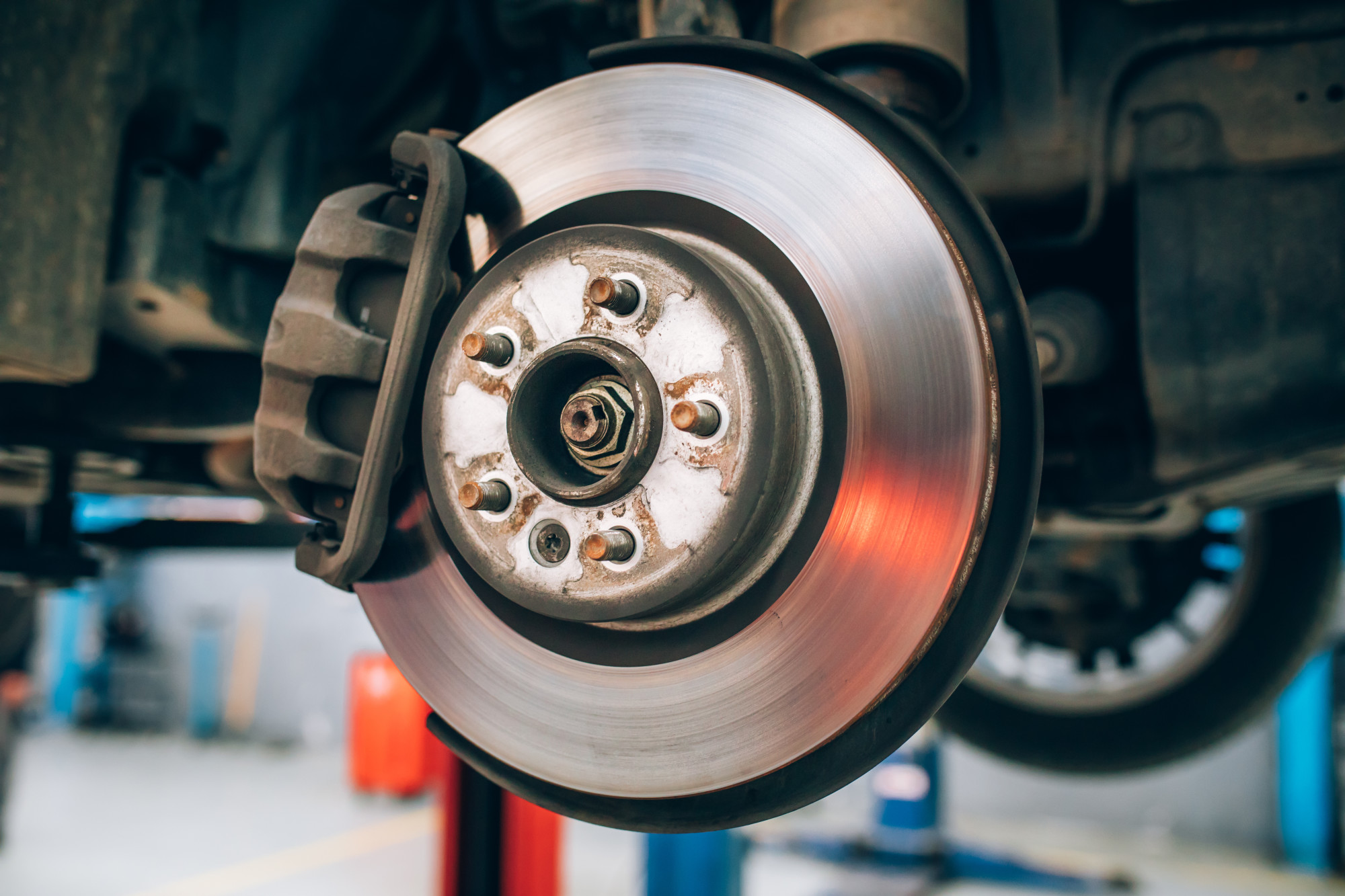
At each wheel, the braking system creates friction. Brake pads press firmly against rotating metal discs, slowing the wheels down. The harder the pressure on the pedal, the greater the friction, and the faster the vehicle slows.
This process happens in seconds, allowing the driver to adjust speed precisely depending on the situation.
Control, balance, and stability
One important thing learners are taught is that braking is not only about stopping — it is about keeping the car balanced while slowing down. Sudden or uneven braking can cause the vehicle to pull to one side, especially on wet or uneven roads.
By braking smoothly and progressively, the driver allows the weight of the vehicle to shift safely, maintaining stability and steering control. This is particularly important when approaching junctions, roundabouts, or bends.
Our instructors particularly guide learners through real-life scenarios so they can feel how the car responds to different braking pressures.
The importance of the handbrake

The handbrake, or parking brake, is often misunderstood by new drivers. Its main purpose is to secure the vehicle when parked, especially on slopes. However, it also plays an important role during driving lessons.
Learners are trained to use the handbrake during hill starts, controlled stops, and parking. In rare emergencies, it can help slow the vehicle if the main braking system fails, although it must be used carefully to avoid loss of control.
Understanding when and how to use the handbrake correctly builds confidence, especially for drivers who are nervous about slopes or traffic stops.
Modern braking systems and ABS

Many modern training vehicles are equipped with Anti-Lock Braking Systems (ABS). This system prevents the wheels from locking during sudden or heavy braking.
When ABS activates, the driver may feel a vibration or pulsing in the brake pedal. This is normal and is a sign that the system is working. ABS allows the driver to continue steering while braking, reducing the risk of skidding.
It is one of the major course units at Prestige Driving School where instructors explain how ABS works and teach learners to maintain steady pressure on the brake pedal during emergency stops, rather than releasing it out of fear.
Learning good braking habits
Good braking is not just about reaction; it is about anticipation. Learners are taught to read the road ahead, watch traffic flow, and adjust speed early.
This includes:
- Keeping a safe following distance
- Slowing down before hazards, not at them
- Avoiding unnecessary harsh braking
- Coordinating braking with clutch control in manual vehicles
These habits make driving smoother, safer, and less stressful for both the driver and passengers.
Braking and vehicle maintenance

A well-trained driver also understands the importance of brake maintenance. Worn brake pads, low brake fluid, or faulty components can reduce braking efficiency and increase stopping distance.
Part of responsible driving is paying attention to warning signs such as squealing noises, a soft brake pedal, or reduced braking power. We always encourage learners to take vehicle safety seriously, even beyond their training period.
Why this knowledge matters beyond the test
Passing a driving test is important, but it is only the beginning. Real driving continues long after the certificate is issued. Roads are unpredictable, and situations change quickly.
Drivers who understand how their braking system works tend to remain calmer under pressure. They make better decisions, brake earlier, and avoid panic reactions.
That is the type of driver Prestige Driving School Uganda aims to produce, not just licensed drivers, but safe and responsible road users.
Note: The braking system may be hidden beneath the vehicle, but its impact is felt every time you slow down, stop at a junction, or avoid a dangerous situation. Learning how it works helps you respect it. Learning how to use it well helps protect lives.
For that reason, at Prestige Driving School, mastering braking is not treated as a minor detail — it is a foundation of safe driving. And once you understand it, every journey becomes safer, smoother, and more controlled.