
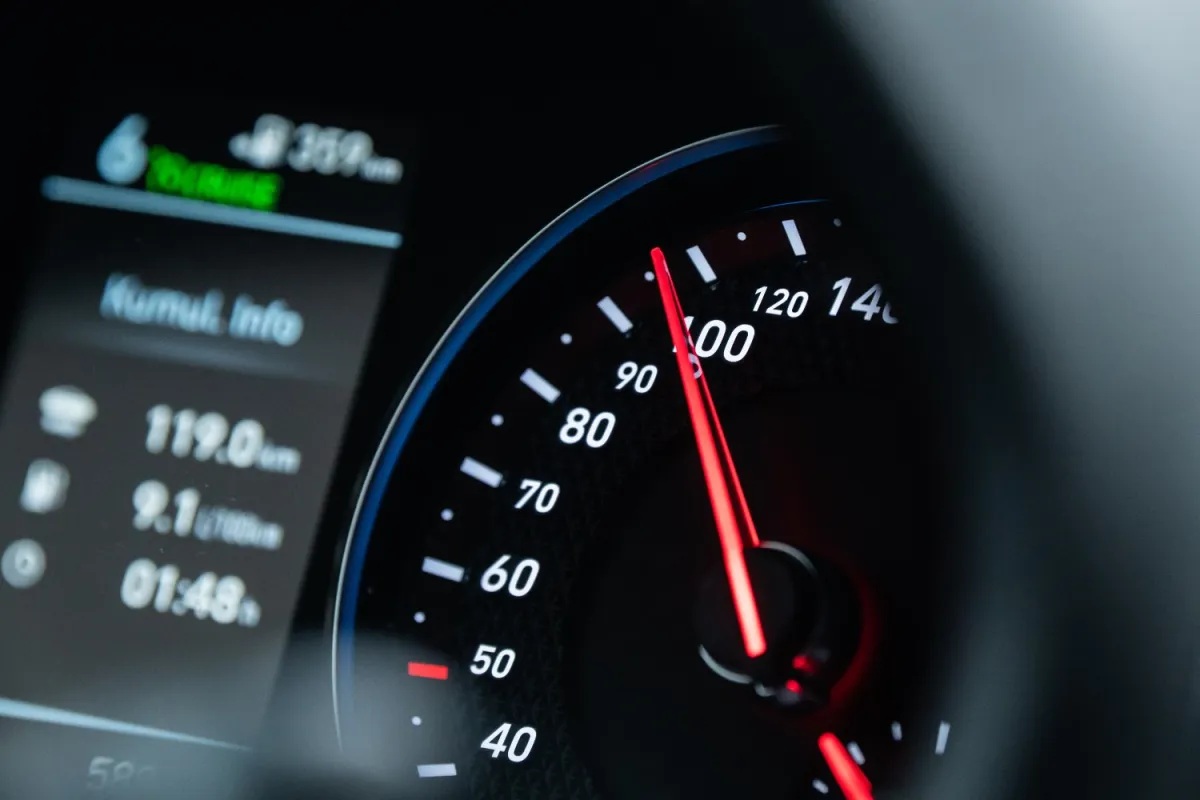

Many drivers, especially learners; believe that driving faster means driving better mistaking how to balance speed and confidence. Speed is often mistaken for confidence, and confidence is often misunderstood as fearlessness. At Prestige Driving School, we teach something very different: true confidence behind the wheel comes from knowledge, control, and good judgment — not from how fast you drive.
Understanding the difference between speed and confidence is essential for becoming a safe, responsible, and skilled driver. This knowledge not only helps you pass your driving test but also protects you, your passengers, and everyone else on the road.
Why speed is often mistaken for confidence
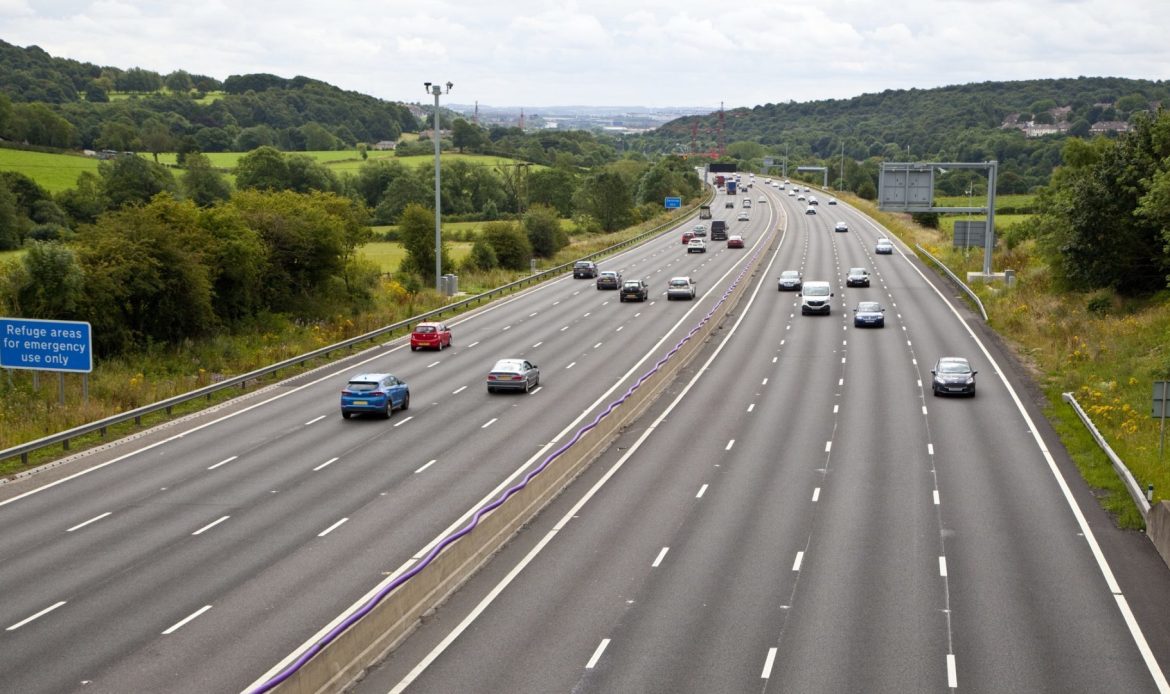
Speed creates a powerful psychological effect. When a driver accelerates, they may feel in control, alert, and decisive. This sensation can be misleading. What the driver is actually experiencing is adrenaline, not confidence. Adrenaline can:
- Make reactions feel quicker
- Reduce awareness of risk
- Encourage impulsive decisions
While adrenaline may give a temporary feeling of control, it disappears the moment something unexpected happens. When a child runs into the road, traffic stops suddenly, or weather conditions worsen, speed leaves very little room for correction.
In contrast, confident drivers are not rushed. They are prepared.
The real meaning of driving confidence
True driving confidence is not about bravery or aggression. It is about competence and composure.
A confident driver:
- Understands how their vehicle behaves
- Maintains proper control at all times
- Observes the road far ahead, not just directly in front
- Anticipates hazards before they become dangerous
- Adjusts speed naturally to match road and traffic conditions
Confidence allows a driver to slow down without feeling insecure or pressured. It also prevents panic, because the driver trusts their training and decision-making abilities.
How speed reduces reaction time and control
One of the most important concepts taught at Prestige Driving School is reaction time concerning speed and confidence.
The faster a vehicle moves:
- The longer it takes to stop
- The less time the driver has to react
- The greater the impact of any mistake
Even a small increase in speed and confidence can dramatically increase stopping distance. For learner drivers, this makes errors harder to correct and turns minor mistakes into serious risks.
Confidence, on the other hand, gives drivers the patience to slow down, reassess, and respond correctly.
Why learner drivers must focus on confidence first
Learner drivers are still developing key skills such as:
- Observation
- Steering control
- Speed judgment
- Hazard perception
When speed is introduced too early, learners may struggle to process information effectively. They may miss signs, misjudge gaps, or react too late to hazards.
At Prestige Driving School, instructors help students maintain speed and confidence gradually by:
- Teaching proper observation routines
- Encouraging smooth, controlled driving
- Reinforcing calm decision-making
- Allowing mistakes to become learning opportunities
This structured approach ensures students gain confidence and learns how to maintain speed naturally, without unnecessary risk.
The role of ego and pressure on the road
Many drivers speed not because they truly need to reach their destination faster, but because they feel various forms of pressure — pressure from impatient traffic piling up behind them, from passengers urging them to hurry, or from an internal desire to assert confidence, control, or superiority on the road.
In these moments, speed becomes less about efficiency and more about emotion and perception. Instead of making a deliberate, rational decision based on safety and actual time savings, drivers react to social and psychological cues, often without realizing that a few extra kilometers per hour rarely make a meaningful difference in arrival time but can dramatically increase the risk of accidents and the severity of their consequences.
Common examples include:
- Speeding to avoid feeling in the way
- Tailgating slower vehicles
- Rushing through junctions
- Feeling frustrated by cautious drivers
True confidence means being comfortable with driving safely, even when others are not. A confident driver does not feel the need to prove themselves.
How experienced drivers can also confuse speed with confidence
Experience does not always equal confidence. In fact, familiarity can lead to complacency.
Drivers who travel the same routes daily may:
- Exceed speed limits on familiar roads
- Stop checking mirrors properly
- Assume hazards will not appear
Confidence should grow with awareness, not replace it. Even experienced drivers must remain attentive, adaptable, and respectful of changing road conditions.
How Prestige Driving School builds real confidence
At Prestige Driving School, confidence is built through understanding — not pressure. And you must always remember that whenever you are driving.
Our training focuses on:
- Defensive driving techniques
- Speed management and control
- Hazard awareness and anticipation
- Calm reactions in stressful situations
- Developing good habits for lifelong safety
Students learn not just how to drive, but why certain decisions are safer and smarter. This knowledge creates confidence that lasts long after lessons end.
When speed is appropriate, and when it is not
Speed is not the enemy. On open roads and motorways, appropriate speed helps traffic flow efficiently. However, speed must always be matched to:
- Road conditions
- Weather
- Traffic density
- Visibility
A confident driver knows when to increase speed and confidence concurrently, and when to reduce it. They do not rely on speed to feel capable — they rely on judgment.
Final thoughts: Confidence is a skill, and speed is a choice
The safest drivers are not the fastest. They are the most aware, the most patient, and the most prepared.
At Prestige Driving School, we believe confidence is the foundation of excellent driving. Speed is simply one tool, and it must be used responsibly.
It is recommended to choose confidence over speed, and you choose control, safety, and long-term driving success.